
Shopping feels very different when you know you are buying something because you need it, rather than because a sale convinced you to buy it.
We all have those moments. You open a shopping app just to check the price of something, and ten minutes later there are three extra things sitting in your cart. One item has a big discount, another says “limited time offer,” and suddenly you start wondering if you should buy it before the deal disappears.
I have done this too.
The funny thing is that a product can be heavily discounted and still be a bad purchase. If you did not need it in the first place, spending ₹500 instead of ₹800 is not really saving ₹300. You are still spending ₹500.
That is why I think the most useful way to look at top discounts and deals in 2026 is not simply to search for the biggest percentage. It is to find offers that make things you already need a little more affordable.
From groceries and clothes to home products, personal care items, and gadgets, there are plenty of ways to shop more carefully without making shopping unnecessarily complicated.
Start With the Things You Actually Need
Before looking through a sale, I like the idea of making a small list.
It does not have to be anything fancy. You could simply write down five or six things you know you need in the coming weeks. Maybe your shampoo is almost finished, you need new office shoes, the kitchen needs a storage container, or your old phone charger has finally stopped working.
Once you have that list, deals become easier to judge.
Instead of asking, “What should I buy because it is on sale?” you can ask, “Is anything on my list available at a good price?”
That small change can make shopping feel much more controlled.
It also helps with those random purchases that seem inexpensive individually. A ₹199 item may not feel like much, but five or six similar purchases can quickly turn into a much larger bill.
Grocery Deals Offers Can Make Everyday Shopping Easier

Grocery shopping is probably one of the easiest places to understand the value of a genuine deal.
You already need rice, flour, pulses, spices, cooking oil, snacks, tea, coffee, cleaning products, and other household essentials. If one of these products is available at a lower price, the saving can actually be useful because you were going to buy it anyway.
But there is a small catch.
Do not assume that a bigger packet or a “buy more, save more” offer is automatically cheaper. Check the quantity and compare the price per unit.
For example, a family-sized pack may look like better value, but if you live alone or rarely use that product, buying extra may simply mean the product sits in your kitchen for months.
The best grocery deal is usually the one that matches your normal consumption.
Fashion Deals Are Great When You Have a Plan

Fashion sales are probably among the easiest deals to get carried away with.
A new shirt looks good. A pair of sneakers is suddenly cheaper. Then there is a bag that was sitting on your wishlist. Before you realise it, your cart is full.
There is nothing wrong with buying clothes during a sale. In fact, discounts can be a good opportunity to pick up things you genuinely need.
Maybe you need a few comfortable outfits for college or work. Perhaps your everyday shoes are worn out. Or you have been waiting for a particular jacket to become affordable.
In those situations, a sale can work in your favour.
Before ordering, though, check the size chart rather than relying only on your usual size. Read reviews about fitting and fabric if they are available. Also check the exchange policy.
A cheap outfit that does not fit properly is not much of a bargain.
Small Home Deals Can Be Surprisingly Useful

Not every home purchase has to be a major makeover.
Sometimes the most useful things are the boring ones.
A storage basket that finally keeps your desk organised. A broadsheet set you actually like. A kitchen organiser that gives you some extra space. A lamp for a darker corner. A useful rack for shoes or bags.
These are small purchases, but they can make everyday routines a little easier.
When looking at home deals, measurements matter more than people sometimes realise. Something can look perfect in a product photo and still be completely wrong for your room.
So, before ordering furniture, storage products, curtains, or appliances, take a minute to measure the space.
It is much better than finding out after delivery that the product is two inches too wide.
Electronics Need a Little More Research

Electronics are different because the price difference can be much bigger.
A discount on a phone, laptop, smartwatch, headphones, or television can save a meaningful amount of money. At the same time, this is where rushing into a sale can cause problems.
Do not look only at the discount.
Check the exact model and specifications. Look at the warranty. Check who is selling the product. Read recent customer reviews and make sure you are comparing the same model across different sellers.
Sometimes an older model gets a large discount when a newer version arrives. That does not automatically make the older model a bad choice. If it has everything you need, paying less for it may make sense.
On the other hand, buying a new gadget simply because the price has dropped is another story.
If your current device still works well, keeping it for another year can be a bigger saving than buying a discounted replacement.
Personal Care Offers Can Be Helpful, Too
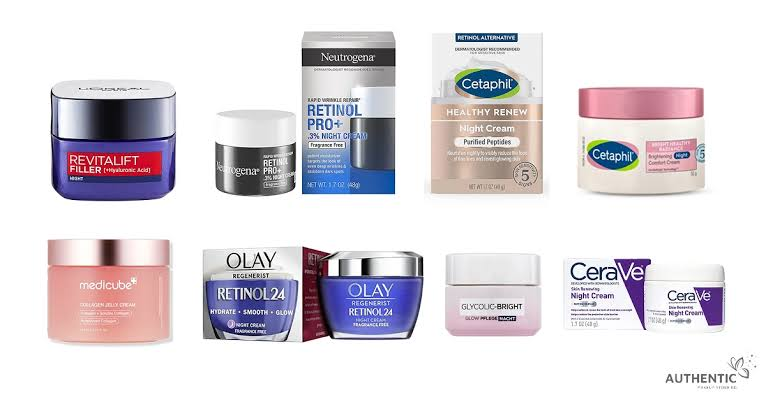
Products such as shampoo, face wash, toothpaste, body care products, haircare items, and grooming essentials are purchased regularly.
Because of that, discounts on these products can be useful.
You may come across combo packs, multi-buy offers, coupons, or temporary price reductions. Before choosing one, compare the normal price with the offer price.
Also ask yourself whether you will use everything in the bundle.
A three-product combo may look cheaper, but if you only wanted one product, buying the complete set may not actually be saving you money.
For personal care products, it is also sensible to check product details, expiry information where applicable, seller information, and customer feedback.
A low price should never be the only reason for choosing a product that you use on yourself.
Do Not Get Tricked by a Big Discount Number

“70% OFF” looks exciting.
But the percentage alone does not tell you whether something is a good deal.
Imagine one website selling a product for ₹1,000 after a discount, while another seller has the same or a similar product for ₹850 without showing a huge discount. The second option may be cheaper even though its discount label looks less impressive.
That is why the final price matters.
Before paying, check:
- The current selling price
- Delivery charges
- Available coupons
- Cashback conditions
- Bank offers
- Taxes or additional charges
- Return and exchange rules
- Warranty
- Seller ratings
- Recent customer reviews
Sometimes free delivery is more useful than another small percentage discount.
The number beside “OFF” is not the whole story.
Cashback Sounds Good, But Read the Conditions
Cashback and bank offers can make a purchase cheaper, but they often come with conditions.
There may be a minimum order value. The offer might work only with a particular card. There could be a maximum cashback limit, or the benefit might arrive later rather than being deducted immediately.
None of that necessarily makes the offer bad. It simply means you should know what you are getting.
Suppose you need a ₹2,000 product and a payment offer gives you a useful discount. Great.
But if you are adding another ₹1,500 item to the cart just to unlock the offer, stop and calculate the total again.
A discount should reduce your spending, not give you an excuse to increase it.
Compare Prices Before Expensive Purchases

For small purchases, comparing five different websites may not be worth your time.
For something expensive, it can be.
If you are buying a phone, laptop, appliance, furniture, or another high-value product, spend a few minutes checking different sellers. Look at the total amount you will actually pay rather than just the listed price.
Reviews are worth checking as well.
Do not read only the five-star comments. The lower-rated reviews can sometimes tell you about issues with durability, size, delivery, packaging, or customer service.
You do not need to believe every review you see. Just look for repeated patterns.
Give Yourself a Few Minutes Before Checkout

One habit that can save money is surprisingly simple: wait.
If something was not on your shopping list, do not immediately buy it just because a timer says the offer is ending.
Close the app for a few minutes.
Make a cup of tea. Do something else. Then come back and ask yourself whether you still want the product.
Sometimes the answer will be yes. That is completely fine.
Other times, you realise that the discount itself was the exciting part.
That short pause can be enough to separate a useful purchase from an impulse purchase.
Keep a Simple Shopping Budget
You do not need a complicated spreadsheet to manage shopping expenses.
A simple monthly number can work.
You might decide how much you are comfortable spending on groceries, household items, clothes, personal care, and other shopping. Keep a note on your phone and update it whenever you make a purchase.
It becomes much easier to see where your money is going.
And if you have already reached your limit for the month, a new discount does not suddenly make extra spending necessary.
There will always be another sale.
A Good Deal Is About Value, Not Just Price

This is probably the most important thing to remember.
The cheapest product is not always the best choice, and the biggest discount is not always the biggest saving.
A good deal should give you something useful at a price that feels reasonable for your budget.
That could mean getting your regular groceries for a little less, replacing an old pair of shoes during a seasonal sale, finding a practical home product at a lower price, or buying a gadget you had already planned to purchase.
The common point is that you had a reason to buy it before the discount appeared.
Final Thoughts
Finding top discounts and deals in 2026 does not have to mean spending hours hunting for offers.
Start with what you actually need. Compare the final prices. Read the important details. Check reviews before expensive purchases and pay attention to delivery, return, exchange, and warranty conditions.
Most importantly, do not let a sale decide what you should buy.
A product being 50%, 60%, or even 70% cheaper does not matter much if it ends up sitting unused in your cupboard.
The smartest approach is fairly simple: make a list, set a budget, compare prices, and give yourself a moment to think before checking out.
When a discount fits something you already need, it can genuinely help you save. And when it does not, walking away from the deal can sometimes be the biggest saving of all.
FAQs
1. What are the best deals and discounts in 2026?
The best deals are usually on groceries, fashion, home essentials, personal care, and electronics.
2. How can I save more money while shopping?
Compare prices, use valid coupons, check cashback offers, and buy only what you actually need.
3. Are bigger discounts always better?
No. Always check the final price, product quality, reviews, and delivery charges before buying.
4. How can I avoid unnecessary shopping during sales?
Make a shopping list and set a budget before browsing sale offers.
5. What should I check before buying a discounted product?
Check the final price, reviews, return policy, warranty, seller details, and any additional charges.