
I don’t think we realise how much technology has slipped into our everyday routines. My phone is usually the first thing I look for in the morning, and by the end of the day I may have used earbuds, a charger, a laptop, or some other small gadget without giving it much thought.
That is probably why I find useful gadgets more interesting than flashy ones.
There is always a new device trending online. One week it is a tiny kitchen gadget, the next week it is a smart home product that supposedly everyone needs. Some of these things are genuinely useful. Others look exciting for a few days and then end up forgotten in a drawer.
For me, a good gadget is something that makes an ordinary task a little easier. It does not have to be expensive or packed with hundreds of features. Sometimes a simple power bank or a comfortable pair of earbuds can be more useful than a complicated device.
If you are planning to buy some new tech in 2026, here are a few gadgets worth considering for everyday use.
1. Wireless Earbuds
Wireless earbuds are one of those gadgets that I can understand the popularity of. They are small, easy to carry, and useful in so many situations.
You can use them while travelling, listening to music during a break, joining an online meeting, watching videos, or simply having some quiet time. There is no need to deal with a long cable getting caught in your bag or pocket.
Newer earbuds often come with features such as noise cancellation, better microphones, touch controls, and longer battery life. But I would not choose a pair only because it has the longest list of features.
Comfort matters a lot.
If the earbuds start hurting after twenty or thirty minutes, you probably will not enjoy using them, no matter how impressive their specifications look. Battery life, microphone quality, connection stability, and charging time are also worth checking.
2. Smartwatches and Fitness Bands
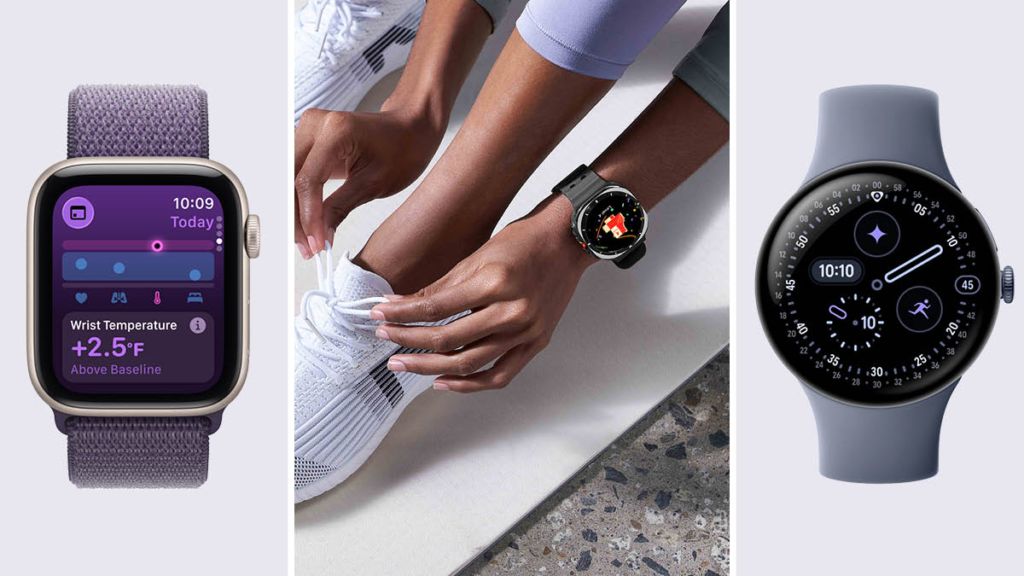
A smartwatch can be useful for much more than checking the time. Depending on the model, you can see notifications, set reminders, track workouts, check activity levels, and keep an eye on your daily routine.
Fitness bands offer a simpler option for people who mainly want activity tracking.
I think these devices can be particularly handy for people who spend most of their day sitting. A gentle reminder to stand up or move around can be easy to ignore, but it can still be useful.
There is one thing I would keep in mind, though. Health information from a consumer wearable should generally be treated as general guidance rather than a medical diagnosis.
When choosing a smartwatch, think about your actual routine. If you only want notifications and basic activity tracking, there may be no reason to spend extra money on features you are unlikely to use.
3. A Good Power Bank
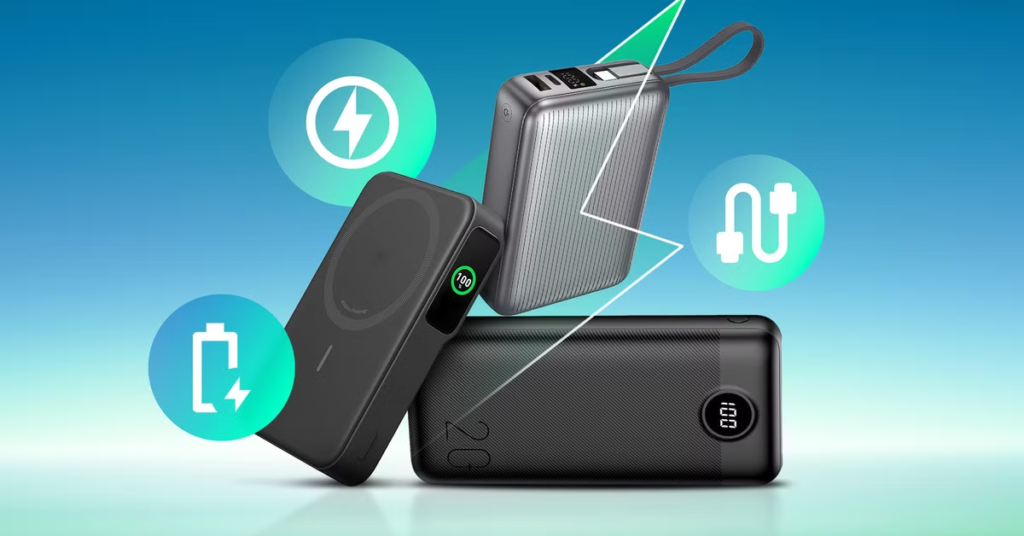
A power bank is not exactly the most exciting gadget. Nobody usually gets excited about seeing one in a shopping cart.
But when your phone reaches 5% battery while you are travelling, suddenly that little device feels very important.
A power bank can be useful during long college days, office commutes, road trips, flights, or even when you know you will be away from a charging point for several hours.
Capacity is important, but I would also look at its size and weight. A huge power bank may sound great on paper, but if it is too heavy to carry around, you may leave it at home.
Also check whether its output is suitable for your devices and whether it has the safety features you would expect from a reliable product.
4. Fast Chargers and Multi-Port Chargers
Charging cables have a funny way of multiplying around the house.
There might be one beside the bed, another on the desk, one in a bag and perhaps another hiding somewhere behind the sofa. When several devices need charging, things can get messy quickly.
A good multi-port charger can make that easier.
Instead of using separate adapters for your phone, earbuds, tablet, or other devices, you may be able to charge several of them from one compact unit.
Before buying one, check the power requirements of your devices. Fast charging is useful, but compatibility matters too. I would also avoid choosing a charger purely because it is the cheapest option available.
For travel, a smaller charger can be especially convenient because there is less to pack.
5. Smart Speakers
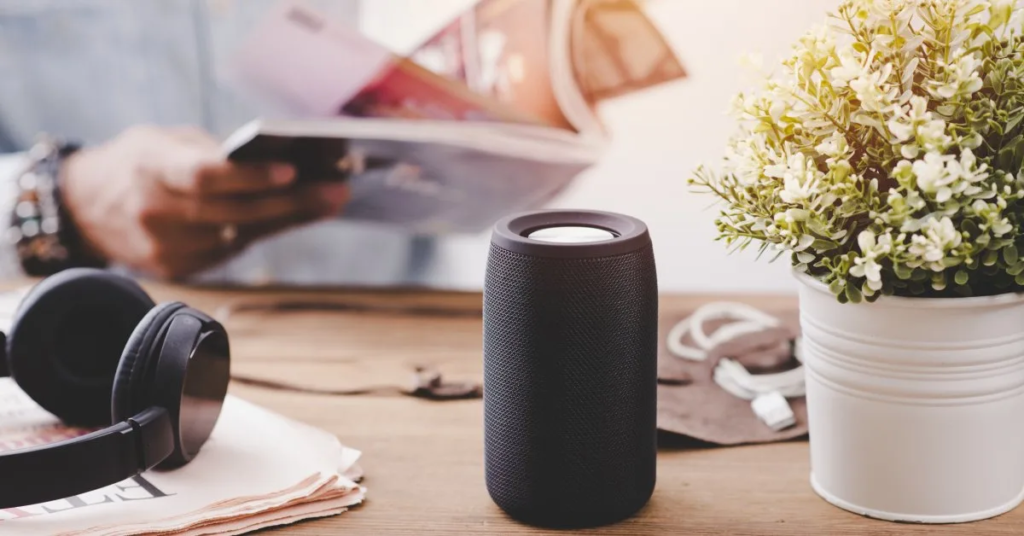
I used to think smart speakers were mostly about asking for songs. They can actually be useful for quite a few small tasks.
You can set a timer while cooking, create reminders, play music, or control compatible smart devices. A voice-controlled timer, for example, can be surprisingly convenient when your hands are busy in the kitchen.
They can also be useful in a smart-home setup, although you do not need to turn your entire home into a connected house to enjoy one.
Because these devices can use microphones, privacy settings are worth checking before you start using one. Take a few minutes to understand what information is collected and which controls are available.
Sometimes that five-minute setup is worth doing.
6. Portable Bluetooth Speakers
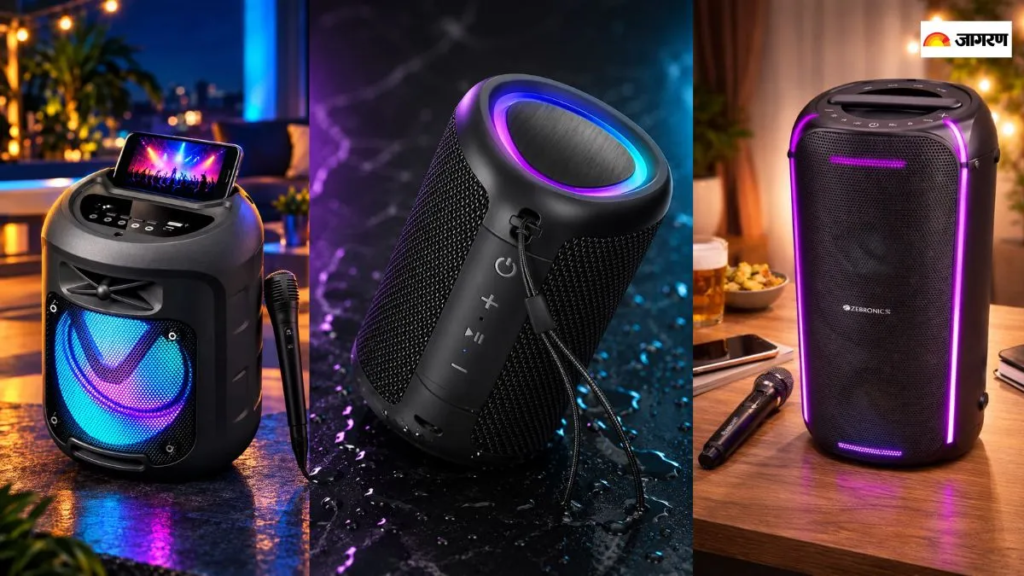
There are moments when a phone speaker just does not feel loud enough.
A small Bluetooth speaker can be useful at home, during a picnic, on a trip, or when a few friends are hanging out together. You can also move it from room to room without worrying about cables.
I would look at battery life, sound quality, size, and durability before buying one.
If you plan to use it outdoors, some level of water resistance can be useful. And unless you regularly host large gatherings, you probably do not need an enormous speaker.
A compact speaker that you can actually carry around may get much more use.
7. Smart Plugs
Smart plugs are one of the easier ways to try smart-home technology without replacing all your appliances.
For example, you can connect a compatible lamp to a smart plug and control it through an app or compatible voice assistant. You can also create schedules for some devices.
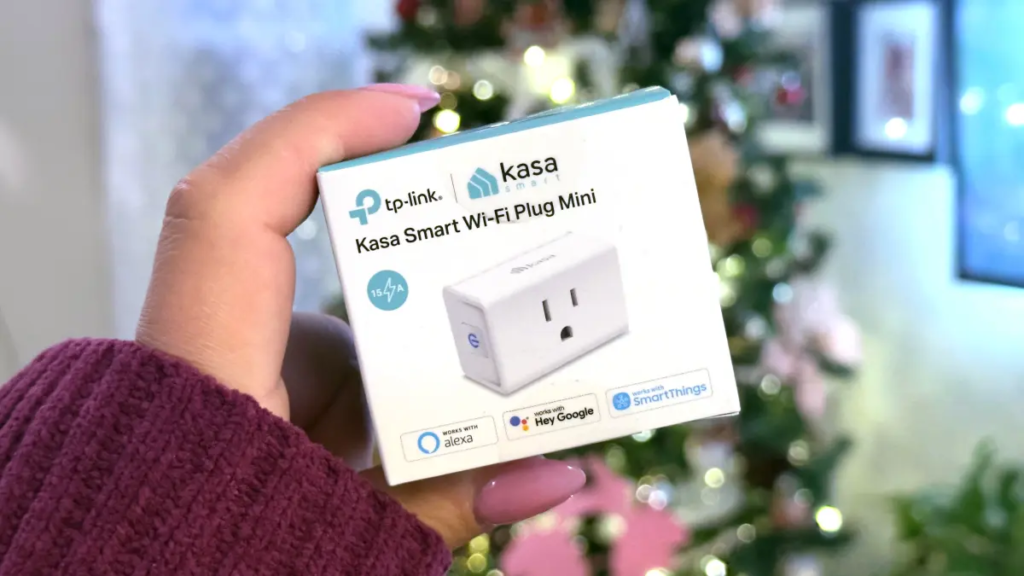
It is a fairly simple idea, but sometimes simple is exactly what makes a gadget useful.
Before buying a smart plug, check its electrical rating and make sure it is suitable for the appliance you want to connect. Buying a random low-cost model without checking compatibility is probably not worth the risk.
8. Laptop Stands and Desk Accessories
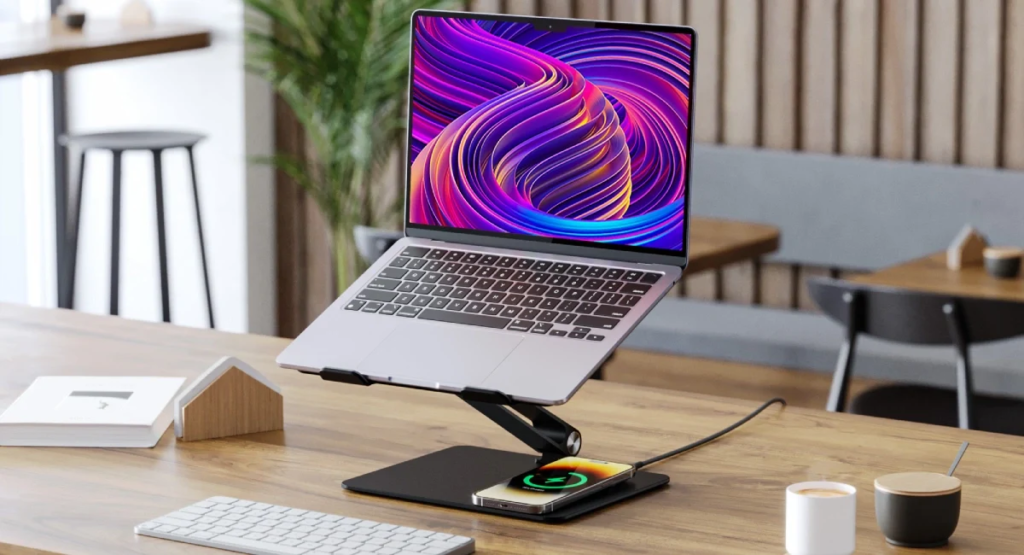
Some of the best gadgets are not really gadgets you show off to anyone.
A laptop stand is a good example.
If you spend hours studying, working, or writing on a laptop, raising the screen can make your desk setup feel more comfortable. Pairing it with a separate keyboard and mouse can also make the workspace more practical.
A small desk lamp can be useful too, especially if you often work in the evening.
These accessories may not look as exciting as a new phone or smartwatch, but you can end up using them every single day. That makes them worth considering.
9. Mini Projectors
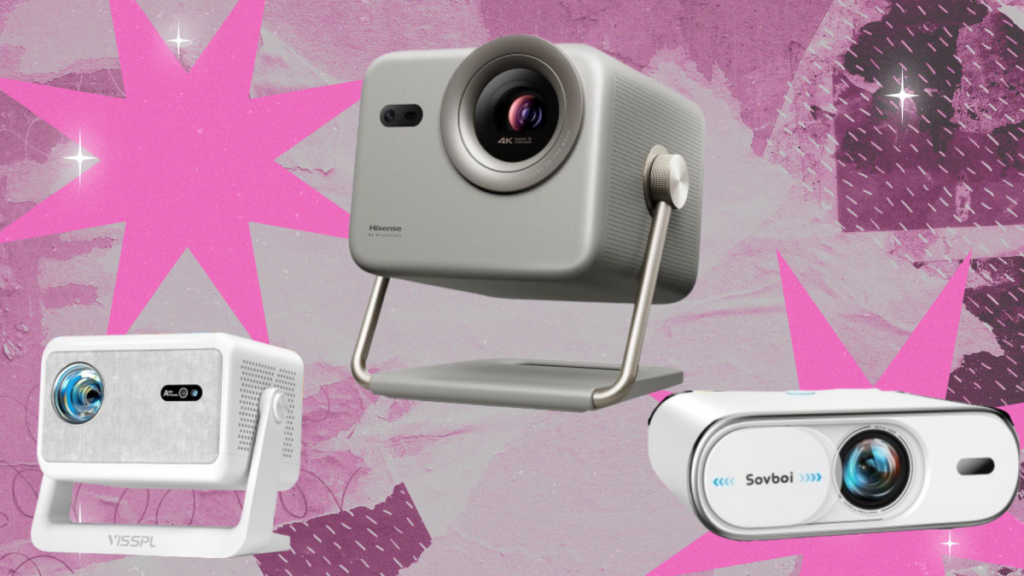
Mini projectors have become an interesting option for people who want a bigger screen without buying a large television.
They can be fun for movie nights, watching videos with friends, presentations, or casual gaming. There is something enjoyable about turning a blank wall into a temporary screen.
Still, I would keep expectations realistic.
A compact projector may not offer the same brightness or picture quality as a good television. The room itself also matters. A dark room can make a big difference to the viewing experience.
If you are thinking about buying one, check the resolution, brightness, connectivity, speaker quality, and compatibility with your existing devices.
10. Tracking Tags

Losing your keys when you are already late is one of those small problems that feels much bigger in the moment.
Tracking tags are designed for situations like this. You can attach one to keys, bags, luggage, wallets, or other belongings and locate them through a compatible phone or tracking network.
They are small enough to keep attached to an everyday item without becoming annoying.
The important thing is to check compatibility before buying. Some trackers work best within particular phone ecosystems, so the right choice depends partly on the devices you already own.
11. E-Readers

If you enjoy reading but do not always want to carry physical books, an e-reader can be a nice addition.
It is different from using a tablet simply because the device is mainly designed around reading. Many e-readers are lightweight and have battery life that can last much longer than you might expect.
They can be especially handy while travelling. Instead of putting three or four books into a bag, you can keep a collection of books on one small device.
But this is one of those purchases where personal preference matters. If you love turning paper pages and only read occasionally, you may not feel the need for an e-reader.
Not every popular gadget needs to become part of your routine.
12. USB Hubs
Modern laptops can be wonderfully thin, but there is sometimes a trade-off: fewer ports.
That becomes frustrating when you suddenly need to connect a mouse, external drive, memory card, monitor, or another accessory.
A USB hub can give you additional connection options without requiring you to constantly unplug and reconnect devices.
Before buying one, look carefully at the ports included. If you need HDMI, USB-C, USB-A, SD card support, or another connection, make sure the hub actually has it.
It sounds obvious, but checking this before ordering can save a lot of frustration later.
How to Choose Gadgets That You Will Actually Use

This is probably the most important part of buying technology.
It is very easy to see a gadget online and think, “That looks useful.” Then you buy it, use it twice, and forget about it.
I have found that asking one simple question can help:
Will this solve a problem I actually have?
If you travel regularly, a good power bank may make more sense than another entertainment gadget. If you spend most of your day at a desk, a laptop stand or useful charging setup might be a better purchase. If you are always listening to music, good earbuds could get far more use.
Reviews can help too, but do not just look at the overall star rating. Read a few detailed reviews and see what people liked or disliked after actually using the product.
Also check the warranty, return policy, compatibility, and final price.
And one thing is worth remembering: a product being on sale does not automatically make it a good purchase.
If you spend ₹1,000 on something you never use, you have not really saved ₹500 just because it was originally priced at ₹1,500.
Final Thoughts
There are plenty of interesting gadgets to discover in 2026, but I do not think you need to buy every new device that appears on social media.
The gadgets I find most useful are usually the ones that quietly fit into everyday life. Earbuds make a commute more enjoyable. A power bank can rescue a dying phone battery. A laptop stand can make a desk more comfortable. A tracking tag can save you from searching the whole house for your keys.
None of these things has to completely change your life.
Sometimes making one small daily task easier is enough.
So, before buying a gadget, take a moment to think about how often you will use it, what problem it solves, and whether it is worth the money. Choose technology that fits your routine instead of changing your routine just to justify a purchase.
That way, your collection of gadgets stays useful rather than becoming another drawer full of things you bought because they were trending.
Frequently Asked Questions
1. What are the must-have gadgets in 2026?
Useful gadgets in 2026 include wireless earbuds, power banks, smartwatches, fast chargers, smart plugs, laptop accessories, Bluetooth speakers, and tracking tags. The right choice depends on your daily needs.
2. Which gadget is most useful for everyday life?
A power bank, wireless earbuds, or a fast charger can be useful for many people because they solve common everyday problems. Your lifestyle should decide which gadget is most useful for you.
3. Are smart gadgets worth buying in 2026?
They can be worth buying when they solve a real problem. Smart plugs, speakers, and other connected devices can make certain everyday tasks more convenient, but there is no need to buy smart versions of everything.
4. What should I check before buying a gadget?
Check the product’s features, compatibility, battery life, reviews, warranty, return policy, and final price. It is also important to think about how often you are actually going to use it.
Not necessarily. A more expensive gadget may offer additional features, but those features are not useful if you never use them. A simple and reliable product can sometimes be the better fit.
5. Are expensive gadgets always better?
Not necessarily. A more expensive gadget may offer additional features, but those features are not useful if you never use them. A simple and reliable product can sometimes be the better fit.