
Indian food is one of those things that can bring back a memory without much effort. The smell of tadka in the kitchen, hot rotis coming straight from the pan, tea and biscuits in the evening, or a plate of chaat when you are out with friends — these little things are part of everyday life.
What I find interesting is that Indian food keeps changing, but it never really leaves its roots behind. New recipes become popular on Instagram and YouTube, people try different ingredients, and restaurants keep adding new dishes to their menus. Still, dal, roti, rice, poha, parathas and homemade sabzi continue to have their own place.
In 2026, there seems to be more interest in food that is both enjoyable and practical. People are trying lighter meals, adding more protein to everyday dishes, exploring regional recipes and looking for snacks that can be made without spending half the evening in the kitchen.
For me, that is a much more realistic way to look at food. You do not have to stop eating everything you love just because you want to make better choices.
Traditional Indian Food Is Still Going Strong
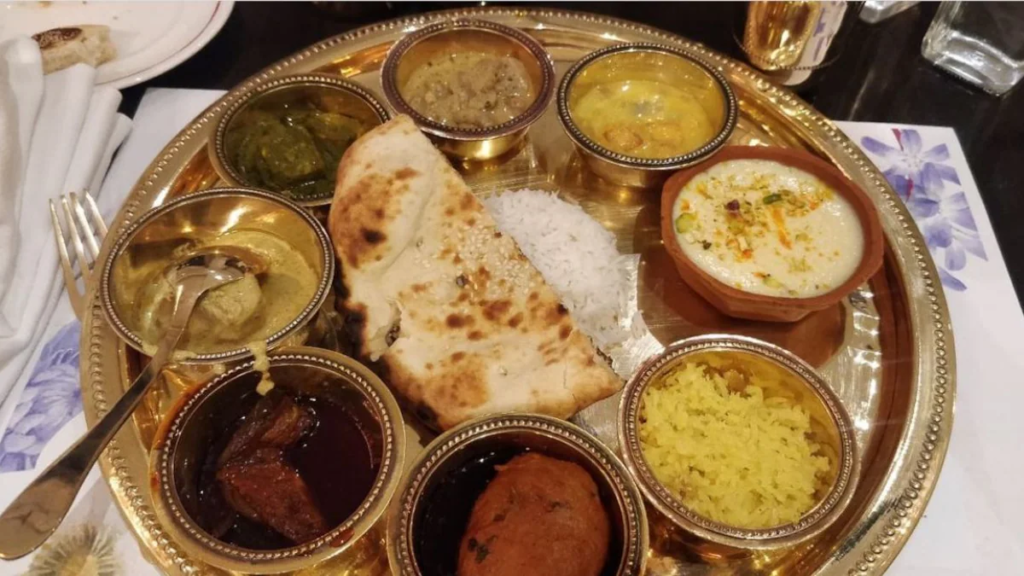
Food trends can be unpredictable. Something can become popular overnight because a video goes viral, and then people move on to the next thing. Traditional Indian food has never really followed that pattern.
Think about dal and rice. It is probably one of the simplest meals you can make, but it is also one of those meals people keep coming back to.
The same is true for roti and sabzi, rajma chawal, chole, poha, idli, dosa and parathas. These dishes may not always be called “trends”, but they are eaten regularly in homes across the country.
And every home has its own version.
One person may make dal with more garlic, another may prefer it with a stronger tadka. Someone’s aloo paratha may be thick and buttery, while another person’s version is thinner and crispier. That small difference is what makes home cooking interesting.
There is also more curiosity about dishes from other parts of India. A recipe that you may never have heard about can suddenly appear in your feed, and before you know it, you are searching for the ingredients.
Breakfast Doesn’t Have to Be Complicated
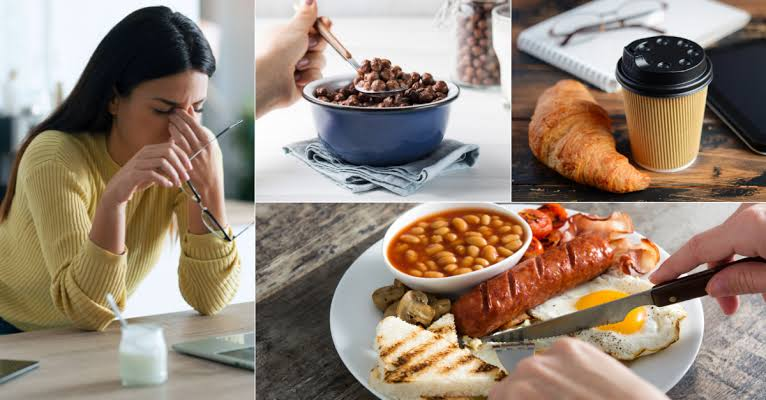
Mornings are usually not the best time for complicated cooking.
There is always something going on. Maybe you are getting ready for college, rushing to work, looking for your keys, or checking the clock every five minutes. On days like that, breakfast needs to be simple.
Poha is one of my go-to examples because it can be changed so easily. Add peanuts if you like some crunch, throw in vegetables, finish it with coriander and lemon, and it feels different every time.
There are plenty of other options too:
- Vegetable upma
- Idli with sambar
- Moong dal chilla
- Besan chilla
- Vegetable dosa
- Roti with curd
- Oats with fruit
- Homemade vegetable sandwiches
A breakfast does not have to look like something from a food magazine. If you can make it without rushing and actually enjoy eating it, that already makes it a good start to the day.
Protein Is Becoming More Common in Regular Meals
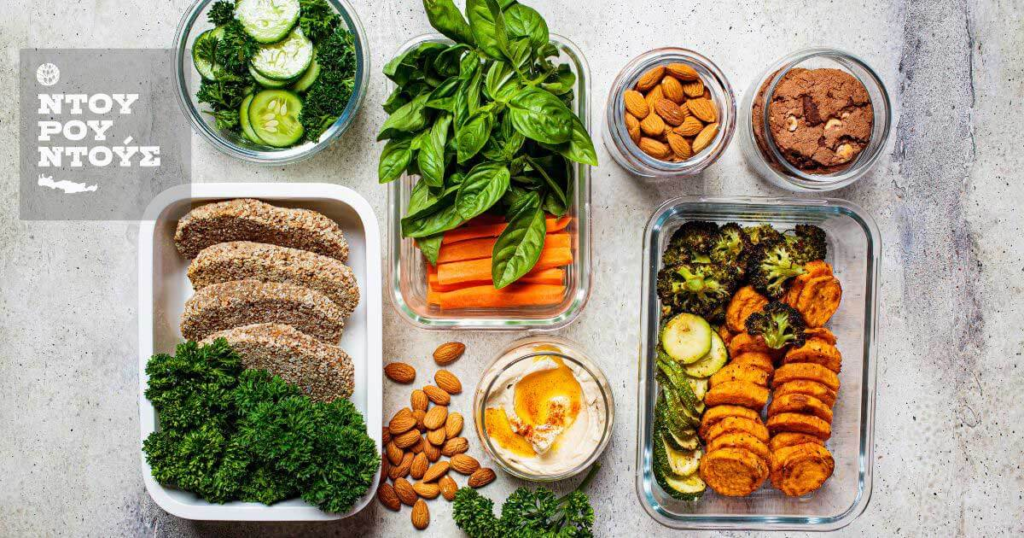
The word “protein” seems to be everywhere these days. Earlier, I mostly heard it in conversations about gyms and workouts. Now it comes up when people talk about ordinary lunch and dinner as well.
Luckily, Indian food already has plenty of familiar ingredients that can be used.
Dal, chana, rajma, paneer, curd, milk, sprouts, peanuts, soy products and different beans can all be included in regular meals.
You do not need to make a completely separate “protein meal” either. Dal with rice is still dal and rice. Adding curd to lunch does not make the meal complicated. Chana can become a quick chaat, and paneer can be cooked with vegetables for dinner.
That is probably the easiest part of it. Many of these foods are already sitting in Indian kitchens.
Instead of buying lots of new products, sometimes it makes more sense to look at what you already eat and find better combinations.
Evening Snacks Are Getting a Small Makeover
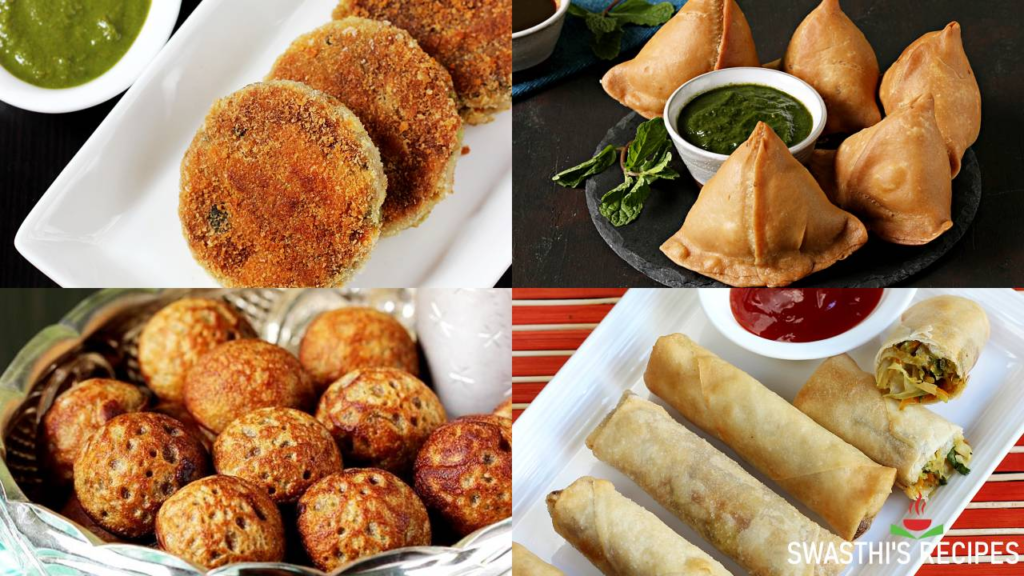
There is something about Indian evening snacks that is hard to replace.
Tea arrives, someone asks what is there to eat, and suddenly a plate of snacks appears. Samosa, pakora, kachori, bhel, dhokla or chaat can turn an ordinary evening into something a little more enjoyable.
But lighter homemade snacks are getting attention too.
Roasted makhana, roasted chana, peanuts, fruit chaat, sprouts chaat, homemade popcorn and vegetable sandwiches are easy options when you want something different.
One advantage of making snacks yourself is that you know exactly what is going into them. You can adjust the salt and spices, use the amount of oil you prefer and make only as much as you need.
Still, I would never say that eating a samosa once in a while is a problem. Sometimes you just want a hot samosa with green chutney. That is also part of enjoying food.
The goal does not have to be making every snack “healthy”. It can simply be about having some variety.
Regional Indian Food Deserves More Attention
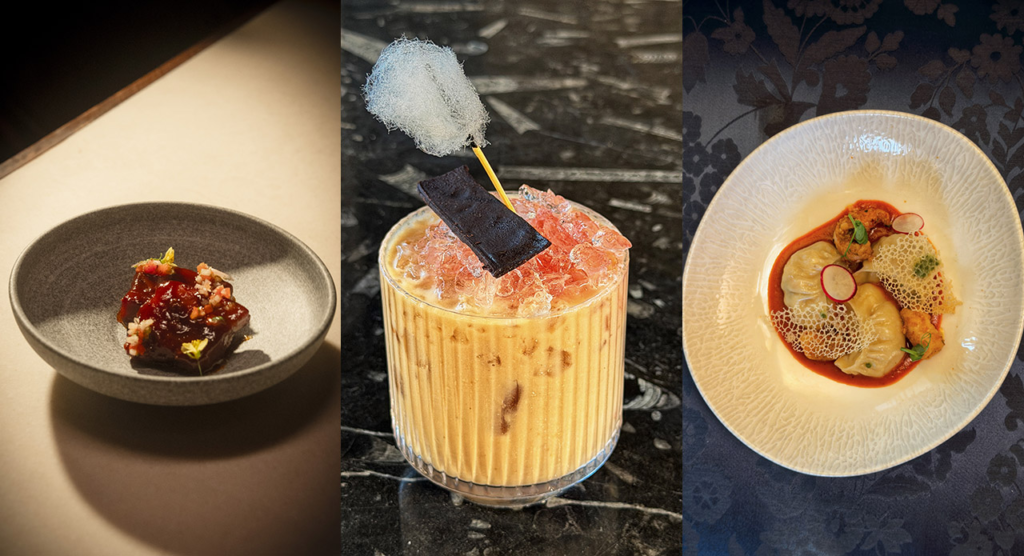
The more you explore Indian food, the more you realise how little of it most of us actually know.
Someone from Punjab may grow up eating foods that are completely different from what someone in Kerala or Assam eats. Even within the same state, recipes can change from one community to another.
Litti chokha, dhokla, appam, pesarattu, dal baati, misal pav, sarson da saag and regional rice dishes are only a few examples.
Food videos have made it much easier to discover these recipes. You might watch someone cooking a dish from another state and immediately think, “I have never tried that.”
Sometimes the recipe looks simple enough to try at home. Other times, you realise there are ingredients you have never even heard of.
Either way, it is nice to see traditional food getting attention beyond its original region.
Street Food Still Has a Special Place
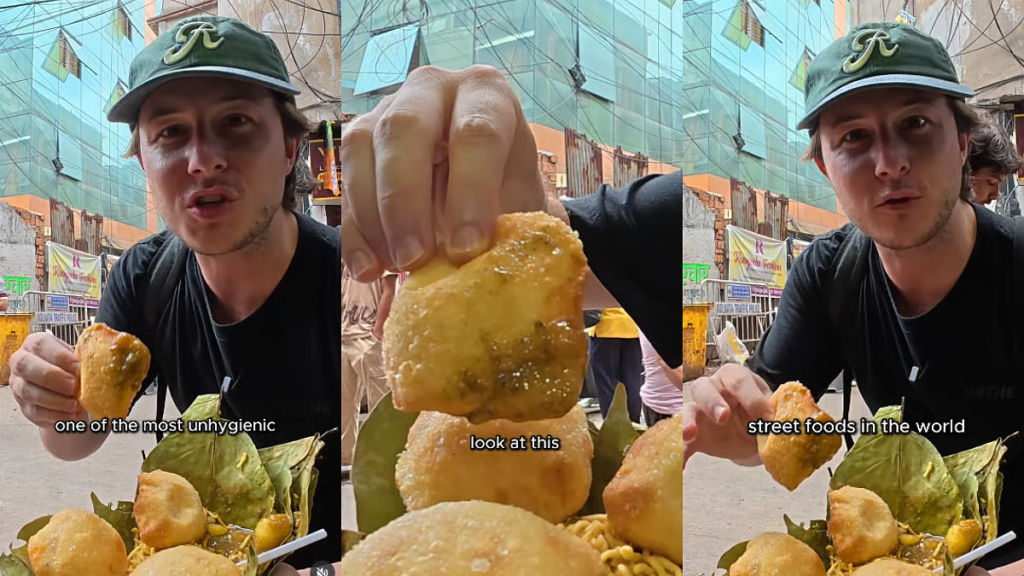
No matter how many healthy recipes become popular, Indian street food is not going away.
There is a different feeling when you are standing at a food stall waiting for pani puri, watching pav bhaji being cooked on a hot tawa, or getting a plate of chaat loaded with chutneys.
Pani puri, pav bhaji, chole bhature, momos, dosa, chaap and different kinds of chaat remain popular for a reason. They are full of flavour and they are often connected with going out, meeting friends or simply treating yourself.
Of course, hygiene matters. A busy food stall may be popular, but it is still worth paying attention to how the food is handled and prepared.
Fusion street food is another thing you will notice. Indian snacks are being mixed with ingredients and flavours from other cuisines.
Some of these combinations are surprisingly good. Some are probably better left as an experiment.
That is the fun part of food, though. Not every idea has to become a favourite.
Homemade Food Has a Different Feeling
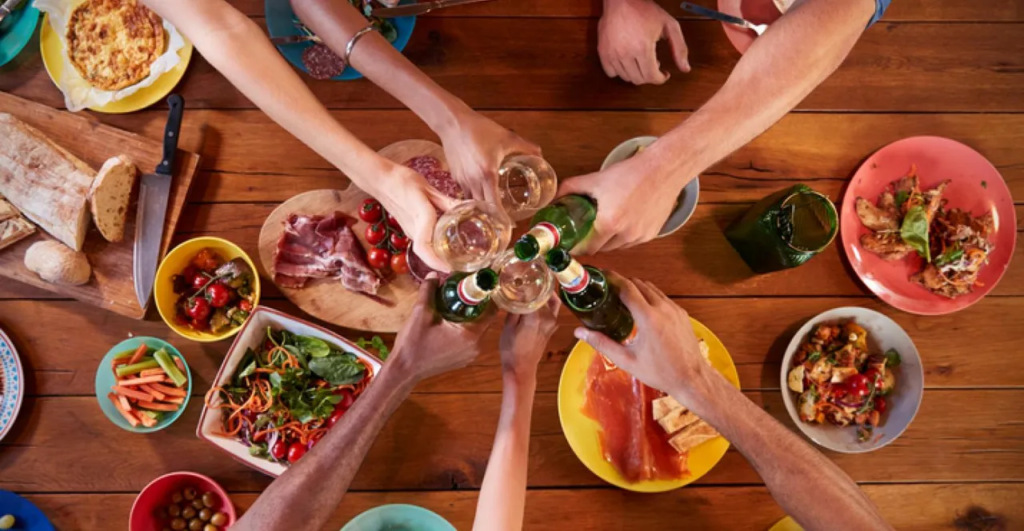
Food delivery has made life much easier. If you are exhausted after college or work, ordering dinner can save you from standing in the kitchen.
But homemade food still feels different.
A simple plate of roti, sabzi and dal may not sound exciting, yet it can be exactly what you want when you are tired. Maybe it is because the food tastes familiar. Maybe it is because you know who prepared it. Or maybe it is simply because some meals are connected to home.
Cooking at home also gives you more control over the ingredients. You can decide how much oil, salt and spice you want to use.
And home cooking does not have to mean spending hours preparing food.
Cutting vegetables earlier, soaking dal or beans ahead of time, or keeping a few basic ingredients ready can make the next meal much easier.
Sometimes five minutes of preparation earlier can save you twenty minutes when you are already hungry.
Millets Are Becoming Easier to Find
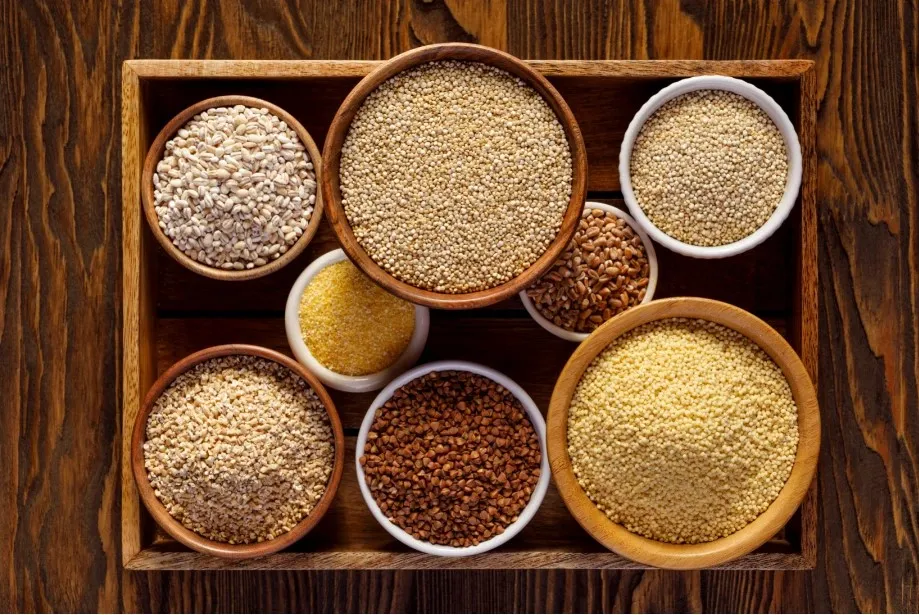
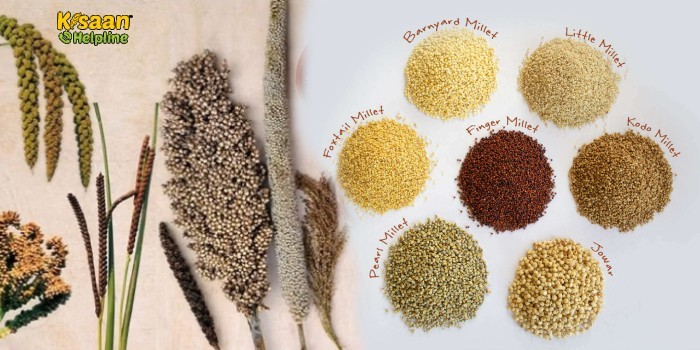
Millets have been part of Indian food traditions for a long time. Ragi, bajra and jowar are not new discoveries, even though they may feel like a newer food trend to some people.
Today, they are being used in more recipes, including rotis, dosas, chillas, porridges and snacks.
What I find interesting is the way traditional ingredients are being brought into modern kitchens. Instead of treating them as old-fashioned foods, people are experimenting with them and finding recipes that fit their current routines.
There is no need to suddenly replace everything in your kitchen with millet-based food. If you like ragi dosa, try that. If bajra roti works for you, include it sometimes.
Starting with one food you actually enjoy is much easier than forcing yourself into a completely different eating routine.
Comfort Food Is Not Going Anywhere
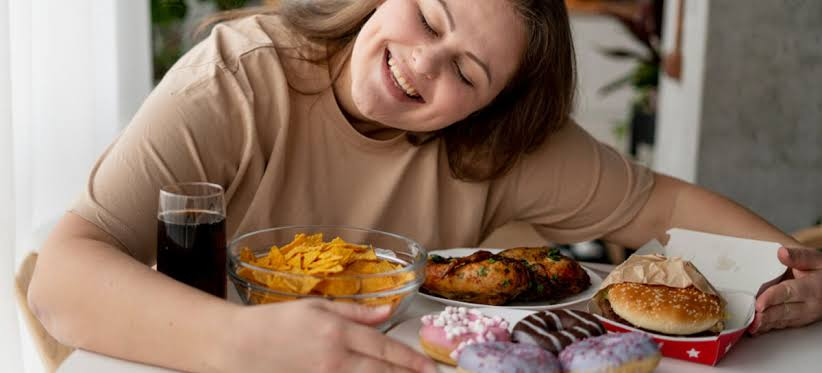
Healthy eating is important, but food is not only about nutrition.
Sometimes you just want rajma chawal. Sometimes it is a bowl of hot khichdi. On a weekend, maybe parathas sound perfect. And during a celebration, there is usually some dessert waiting at the end of the meal.
These foods often carry memories.
There may be a dish that reminds you of your childhood or a particular festival. Maybe your family has a recipe that only one person knows how to make properly. Maybe eating chaat with friends reminds you of college days.
Those memories cannot really be measured by calories or ingredients.
That is why I do not think food needs to be divided into strict categories of “good” and “bad” all the time. There is space for everyday meals and there is space for food you eat simply because you love it.
Easy Meals for Busy College and Work Days
Some days are organised. Other days are a complete mess.
You may leave home early, return late, have assignments or office work waiting, and suddenly realise you have not thought about dinner at all.
On those days, simple meals are a lifesaver.
Poha, upma, idli or chilla can work for breakfast.
For lunch, dal and rice, roti with sabzi and curd, rajma rice or vegetable pulao are straightforward options.
If you need an evening snack, roasted chana, makhana, fruit, sprouts chaat or a sandwich can be prepared without much effort.
Dinner can be equally simple. Dal and roti, khichdi with curd, rice with vegetables or a quick paneer dish can do the job.
These meals may not sound exciting, but they are the kind of food most people can actually fit into their lives.
Small Changes Are Easier to Keep

Changing your entire diet overnight sounds impressive, but it is not always easy to maintain.
Small changes usually feel much more manageable.
Maybe you add an extra vegetable to your sabzi. Maybe you start keeping curd or roasted chana at home. Maybe you include dal or beans more regularly. Maybe you cook at home a little more often instead of ordering every time you are busy.
You can also simply become more aware of how often you are eating very sugary or heavily fried foods.
There is no need to feel guilty about enjoying them occasionally. Food should not become another source of stress.
Everyone has a different routine, budget and taste. A meal plan that works beautifully for one person may be completely impractical for someone else.
The best habits are usually the ones you can continue without constantly feeling like you are forcing yourself.
Final Thoughts
Indian food in 2026 does not feel like it is moving away from traditional cooking. If anything, it feels like traditional food is being given more ways to fit into modern life.
People are still eating dal, roti, rice, parathas and their favourite regional dishes. At the same time, there is more interest in protein-rich ingredients, millet recipes, lighter snacks, quick breakfasts and homemade meals.
And then there is the food that does not need a trend at all.
A plate of pani puri with friends. Hot parathas on a lazy morning. Dal and rice after a long day. A sweet saved for a festival. These things have their own place.
That is what makes Indian food so interesting. It can change without losing the feeling of home.
Sometimes the best meal is not the newest dish on the internet. It is the ordinary food waiting in the kitchen when you come home hungry.
FAQs
1. What are the popular Indian food trends in 2026?
Popular trends include protein-rich foods, millet-based dishes, regional Indian cuisine, lighter snacks, homemade meals, and convenient breakfast options. Traditional comfort foods are still very much part of the picture.
2. Which Indian foods are popular for a healthy breakfast?
Poha, idli with sambar, moong dal chilla, besan chilla, vegetable upma, and dosa are simple choices. The best option depends on your taste, routine, and overall diet.
3. Are traditional Indian foods still popular in 2026?
Yes. Traditional dishes continue to be important, while regional recipes are also getting more attention. Indian food trends are often about updating familiar foods rather than replacing them completely.
4. Are millet-based foods trending in India in 2026?
Yes. Ragi, bajra, and jowar are appearing in rotis, dosas, snacks, ready-to-cook foods, and other modern recipes. Millets are also being used in new food products and everyday meals.
5. What are some popular healthy Indian snacks?
Roasted makhana, roasted chana, peanuts, fruit chaat, sprouts chaat, and homemade popcorn are some easy options. Protein-rich and ingredient-conscious snacking is also receiving more attention in India.